
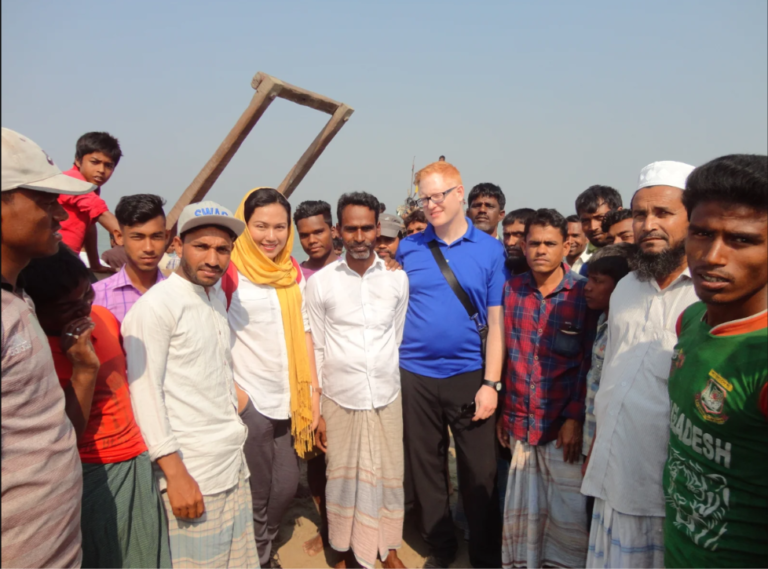
The Dried Fish Matters (DFM) project marked the beginning of its Scoping Research phase with an important methodology workshop in Cox’s Bazar, Bangladesh, in February 2019. Bringing together leaders of DFM’s country and sub-country research teams from India, Bangladesh, Sri Lanka, Myanmar, Cambodia, and Thailand, the workshop provided an opportunity to develop a shared methodological approach for studying the social economy of dried fish across South and Southeast Asia.
Given the project’s interdisciplinary nature and geographical scope, a central objective of the workshop was to establish a common research framework while allowing sufficient flexibility to account for the diverse social, economic, and cultural contexts in which dried fish is produced, traded, and consumed.
Testing Research Methods in the Field
The workshop combined two and a half days of discussions with a full day of exploratory field research in the fish-drying areas of Cox’s Bazar. This field exercise was a particularly important component of the workshop, allowing researchers from different disciplinary and geographical backgrounds to work together in mixed groups and test the project’s preliminary interview guides.
The fieldwork provided an opportunity to assess the practical application of the research instruments, identify potential methodological challenges, and build familiarity with the approaches intended for the scoping studies. The exercise generally validated the design of the interview guides while demonstrating the importance of preliminary field visits in refining research tools and preparing research teams for subsequent fieldwork.
Beyond its methodological significance, the field exercise also served as a valuable team-building opportunity, encouraging exchanges of perspectives and experiences among researchers working across different country contexts. Below are some of the photos from the trial field research visit:
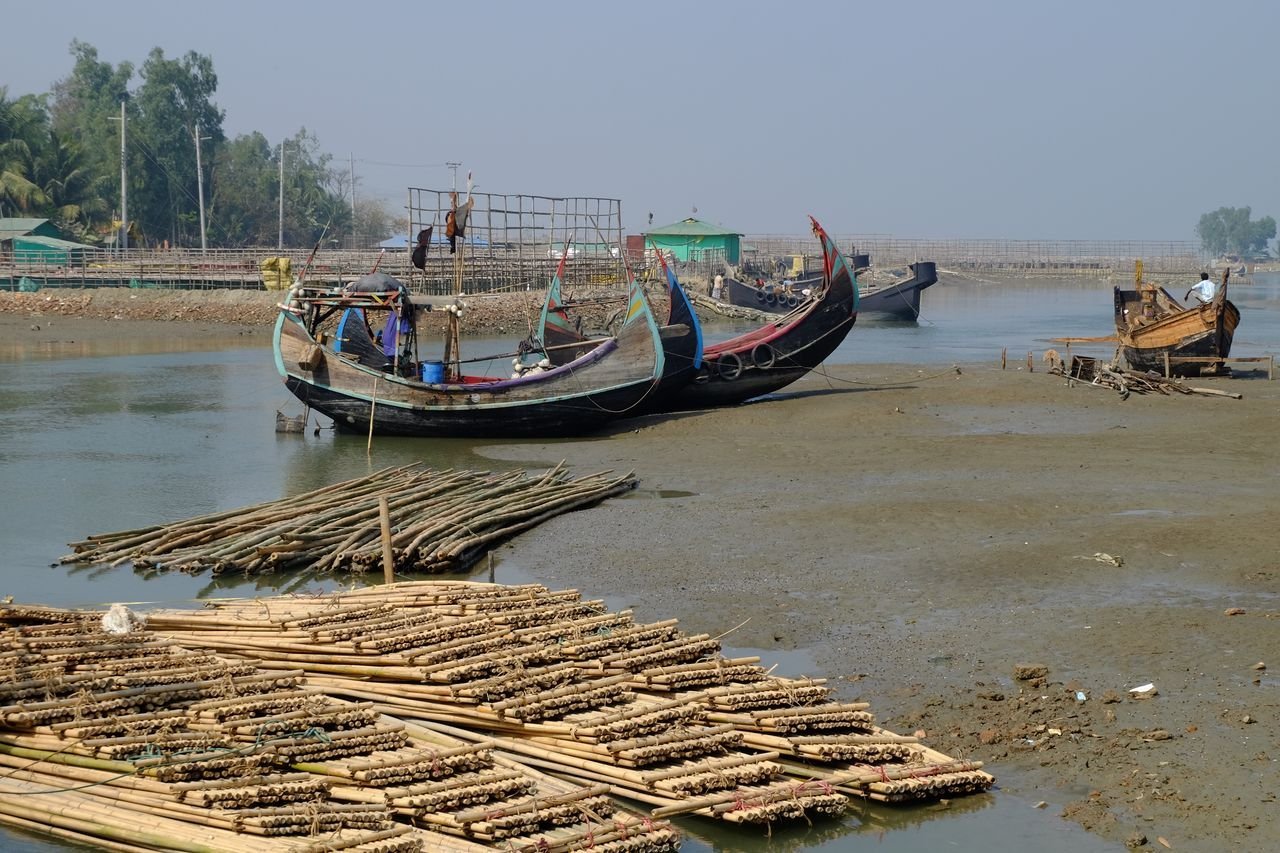
Fishing vessels in Nazirartek, Bangladesh (Photo: Derek Johnson) 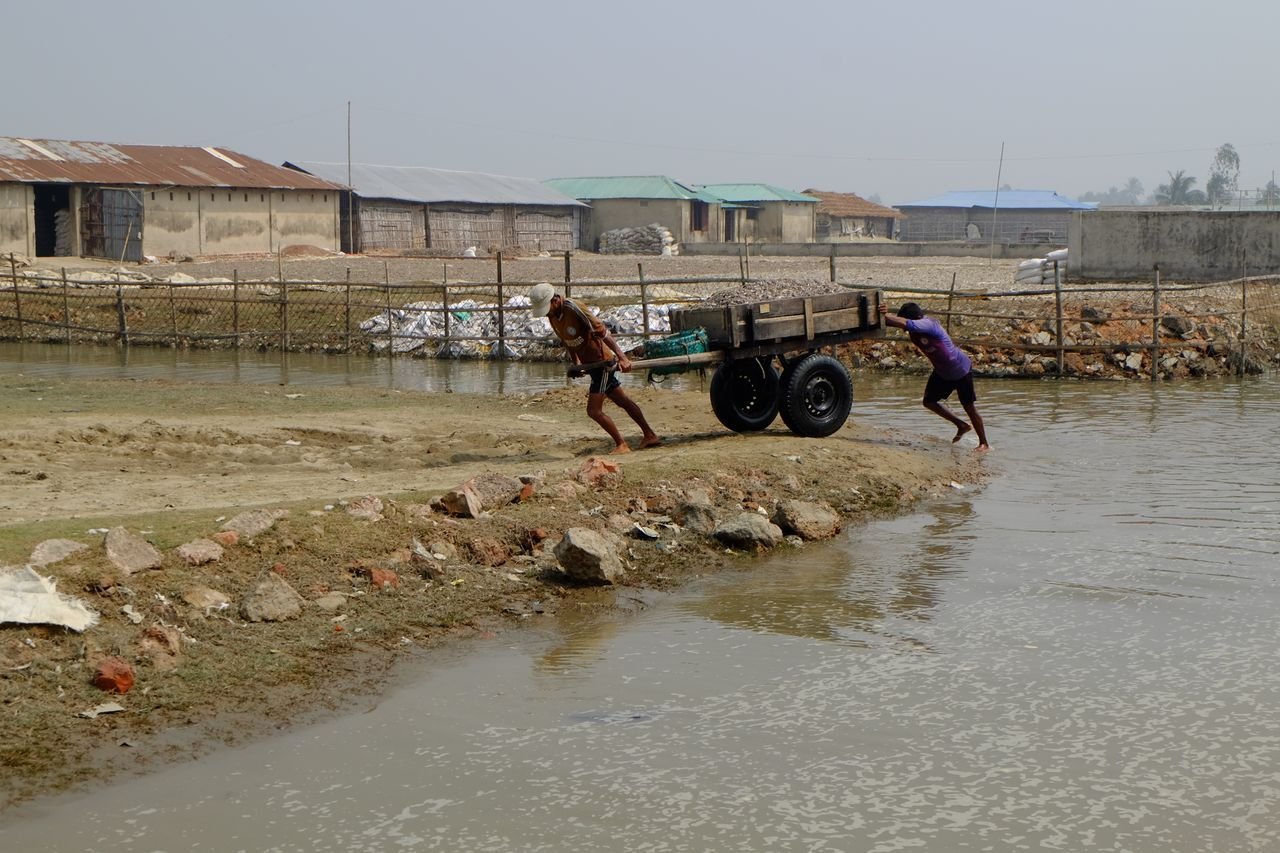
Workers using a fish cart in Nazirartek, Bangladesh (Photo: Derek Johnson) 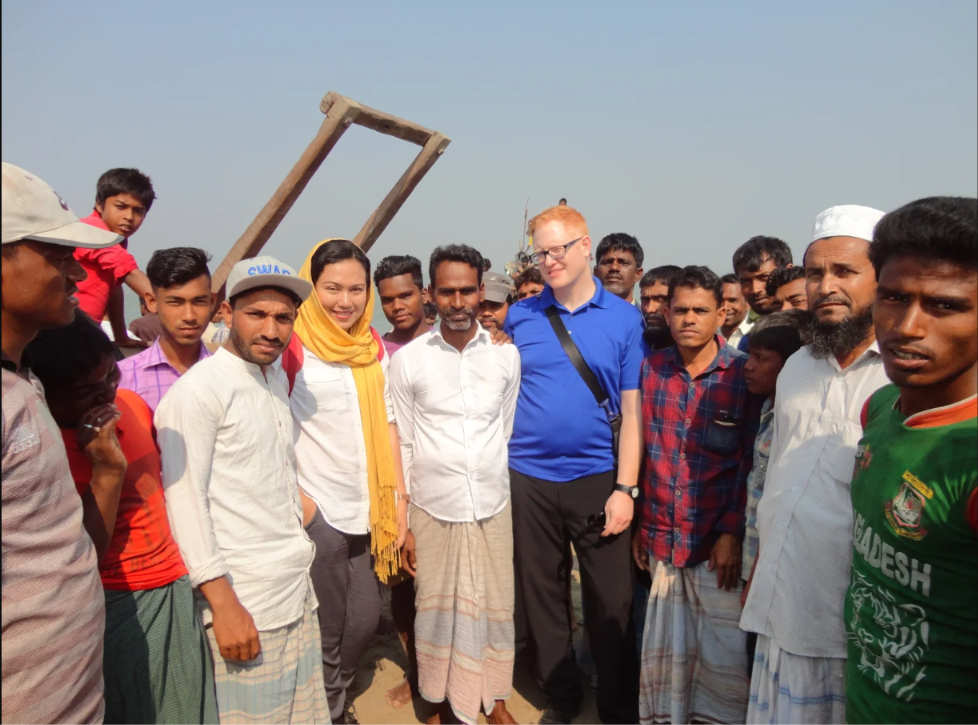
DFM team with fishers in Nazirartek, Bangladesh (Photo: Derek Johnson) 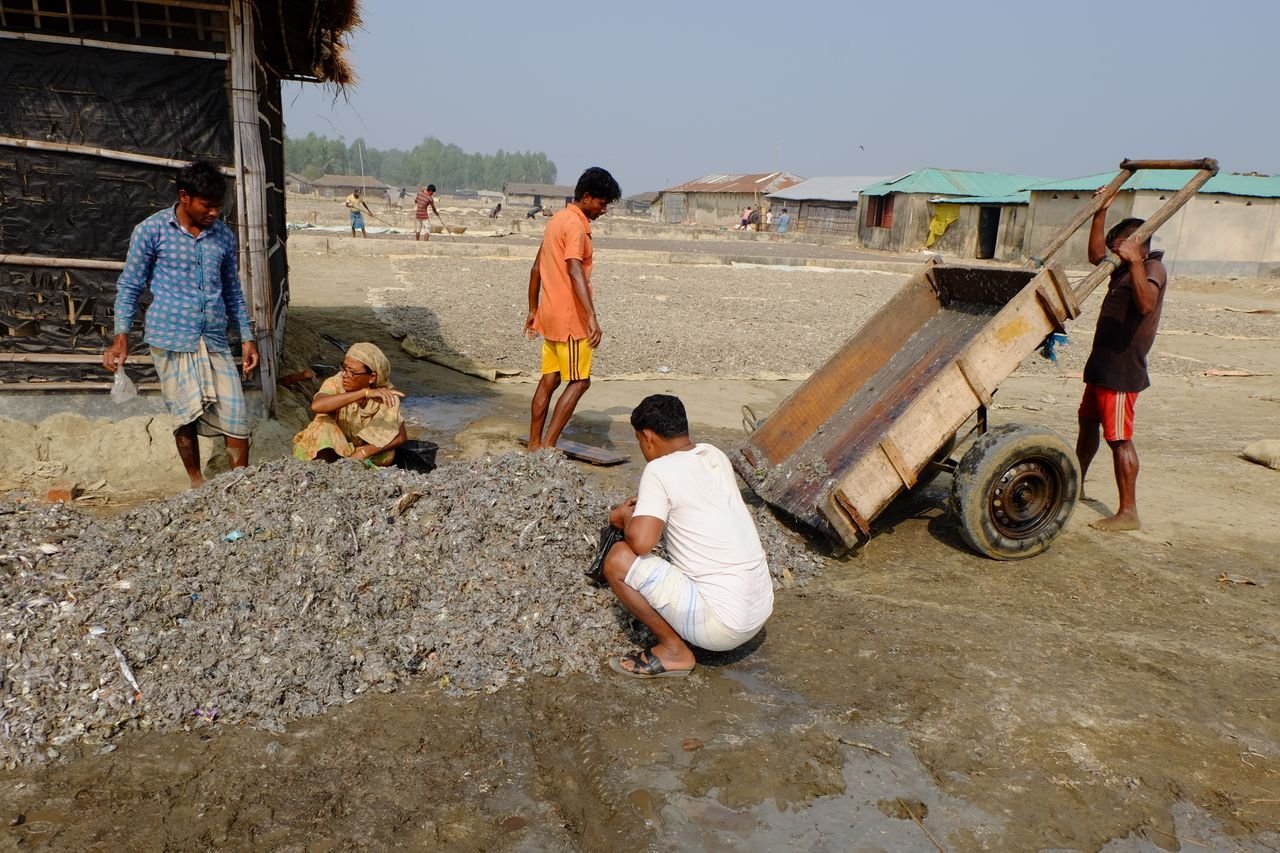
Sorting trash fish in Nazirartek, Bangladesh (Photo: Derek Johnson) 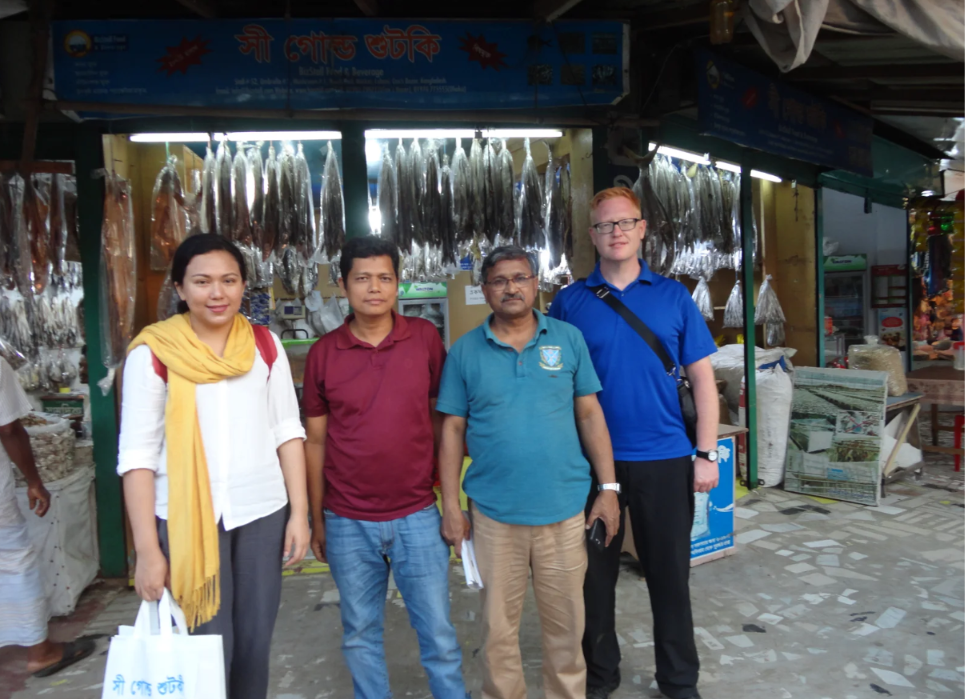
DFM team visiting a fish drying yard (Photo: Derek Johnson)
Developing a Shared Conceptual and Methodological Framework
An important outcome of the workshop was the clarification of the project’s overarching conceptual approach. Participants agreed that social economy, rather than value chains alone, should serve as the central conceptual reference point for DFM’s research. This distinction was important in ensuring that the project could examine dried fish economies beyond their commercial dimensions, while remaining attentive to the broader social relationships and contexts in which they operate.
The workshop also helped clarify the project’s objective of mapping dried fish economies. Rather than limiting mapping to conventional two-dimensional geographical representations, participants emphasized the importance of multidimensional approaches capable of capturing the complexity and diversity of dried fish economies.
Discussions further highlighted the need to remain attentive to the politics of knowledge in a large interdisciplinary partnership, particularly when working across different geographical and institutional contexts. Transdisciplinarity emerged as one possible approach to navigating these challenges.
Participants also recognized the importance of balancing project-wide methodological coordination with openness to different disciplinary perspectives. Proposed ways of strengthening collaboration included more face-to-face meetings, continued conceptual discussions, sharing methodological innovations and data-coding strategies, and reinforcing the project’s governance mechanisms.
Other methodological considerations included the need to communicate DFM’s definition of dried fish more widely and to examine the ecological and economic implications of fish destined for fishmeal production, often referred to as trash fish, in relation to dried fish intended for human consumption.
Laying the Groundwork for Regional Scoping Research
The Cox’s Bazar workshop represented an important step in translating DFM’s research objectives into a coordinated methodological approach. By bringing researchers together to discuss conceptual questions, test research instruments, and reflect on the challenges of interdisciplinary collaboration, the workshop helped establish a shared foundation for the project’s scoping research across South and Southeast Asia.
Importantly, the workshop demonstrated that developing a common methodology did not require uniformity across research sites. Instead, it emphasized the value of a flexible, collaborative approach that could support meaningful comparisons while remaining responsive to the diversity of dried fish economies across the region.