
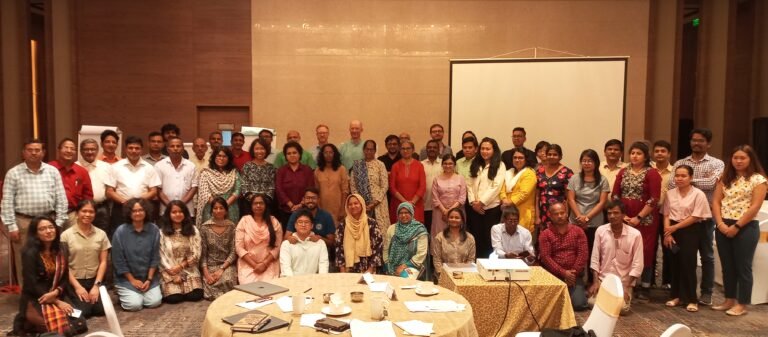
DFM researchers and partners gathered in Kolkata from 17 to 21 August 2023 to plan the project’s second phase. Combining thematic discussions, research planning, creative exchange, and community engagement, the meeting provided an opportunity to bring DFM’s working groups into conversation and develop directions for the project’s continuing work across South and Southeast Asia.
A central question guided the discussions: How does a social economy lens advance our understanding of dried fish? This question reflects DFM’s approach to examining dried fish through the relationships connecting livelihoods, labour, markets, food, and wellbeing. The meeting offered space to consider how these connections could inform research questions and potential interventions in the project’s next phase.
Working Group 1’s sessions explored mapping and spatializing dried fish social economies, visualization and aesthetics, and gender. Orienting presentations by Raktima Ghosh, Eric Thrift, and Kyoko Kusakabe opened discussions that continued through breakout groups and plenaries. Together, these sessions connected questions about how dried fish economies are represented and understood with attention to the gendered relationships that sustain them. A plenary facilitated by Derek Johnson and Raktima Ghosh returned to the contribution of the social economy lens to DFM’s collective research.
Working Group 2 focused on the nutritional contributions of dried fish and questions of consumption. Presentations by Huan Sun, Sami Farook, and Amalendu Jyotishi provided a starting point for group discussions, followed by a plenary facilitated by Ben Belton. This strand of the programme connected research on dried fish social economies with DFM’s wider concern for food and nutrition security.
Working Group 3 addressed policy, governance, and development in relation to dried fish social economies. An orienting presentation by Emdad Haque was followed by breakout discussions and a plenary facilitated by Ratana Chuenpagdee. These conversations provided space to consider how DFM’s research could inform policy recommendations and development interventions, reflecting the project’s objective of supporting food and nutrition security and sustainable, socially just livelihoods.
An exhibition and e-book launch brought a creative and commemorative dimension to the meeting. Introduced by Jenia Mukherjee, the exhibition featured Raktima Ghosh’s Dried Fish Recipes and Memories: A Conversation with Mrs. Nayana Afroz and Gendered Renderings of Dried Fish, Sara Nur’s Life in Daspara: From Tradition to Transition, and an excerpt from Amalendu Jyotishi’s Life in the Sea. These contributions offered different ways of engaging with dried fish through memory, gender, place, and everyday experience. The e-book launch honoured the late Dr. Mostafa Reza Ali Hossain (Ranu), with participants sharing experiences and reading favourite passages.
The programme then turned to dedicated discussions on Phase 2 research plans and proposed pilot interventions. Small-group sessions created time to brainstorm, write, and develop collaborative activities. Bringing this planning alongside the working group discussions provided an opportunity to consider connections among research themes and identify questions requiring further collective attention.
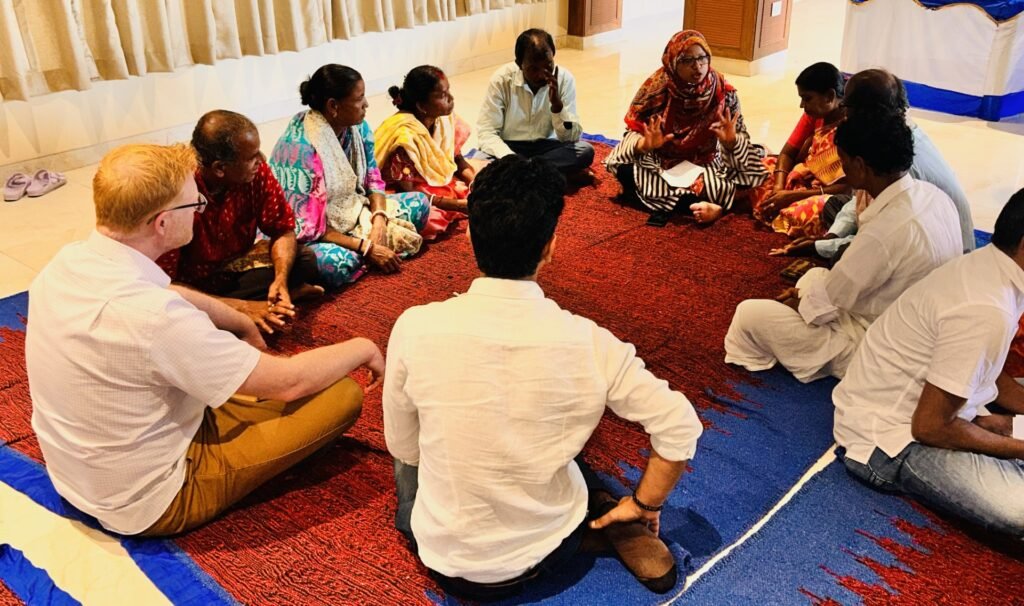
The meeting also extended beyond the conference setting. Travel to Diamond Harbour on 20 August included a visit via the Koley dried fish market in Sealdah. A stakeholder meeting and community engagement workshop followed on 21 August, placing engagement with dried fish communities and stakeholders within the wider planning programme.
The Kolkata meeting marked a collective planning moment for DFM. By bringing thematic research, creative methods, and stakeholder engagement together, it provided a foundation for developing the project’s second phase while keeping its wider purpose in view: understanding dried fish social economies and contributing knowledge that supports nutrition, wellbeing, and equitable livelihoods.