
Kerala, located along the southwestern edge of India, is a coastal state whose identity, economy, and food systems are deeply intertwined with the sea. With a coastline of about 590 km, one of the longest in the country, Kerala hosts a dense network of fishing villages and harbours, and its marine and inland fisheries together make it one of India’s top fish-producing states, contributing significantly to both domestic consumption and export earnings. Though Kerala is known for its high literacy, strong social indicators, and substantial remittance economy, fisheries remain central to the livelihoods of hundreds of thousands of coastal households, many of whom rely on small-scale artisanal fishing and women-led post-harvest activities such as curing, drying, peeling, and retailing. The state’s traditional fishing communities have long operated within ecologically sensitive zones like the Arabian Sea coast and the backwaters, creating deeply rooted cultural and occupational systems. At the same time, Kerala faces mounting pressures from coastal erosion, climate-related disruptions, overfishing, and infrastructural expansion, factors that challenge the sustainability of its marine resources and the resilience of its fishing-dependent communities.
In Kerala, marine fish, fresh and dried, has long been a staple food, supported by a deep-rooted system in which small-scale traders, historically women from traditional fishing communities, supplied households through regular door-to-door sales. Over time, men from non-fishing communities also entered the trade, while women continued to dominate fish drying for both market and home use, often utilizing unsold or excess catch. Across the 20th century, technological and economic shifts from colonial-era commercial development to post-independence mechanization, improved transport, and inland plantation demand reshaped fish marketing, leading to wider availability of fresh fish through mobile vendors, roadside stalls, and now e-retailing. While fresh fish markets expanded and modernized, dried fish markets remain less understood even as consumption patterns have changed due to greater access to fresh fish, poultry, and other proteins. Consumers today balance the nutritional value of dried fish with concerns over salt content, preservatives, and quality, and their preferences vary by age, gender, culture, and region. In this context, understanding evolving consumer behaviour and dried fish demand is crucial for promoting safe, hygienic production, protecting livelihoods, and ensuring food and nutrition security in the state. In this context, the project consisted of two interrelated components, one that examined dried-fish processing and trade, and another that studied consumption, aimed at understanding evolving consumer behaviour and market dynamics to support hygienic production, food safety, and livelihood security.
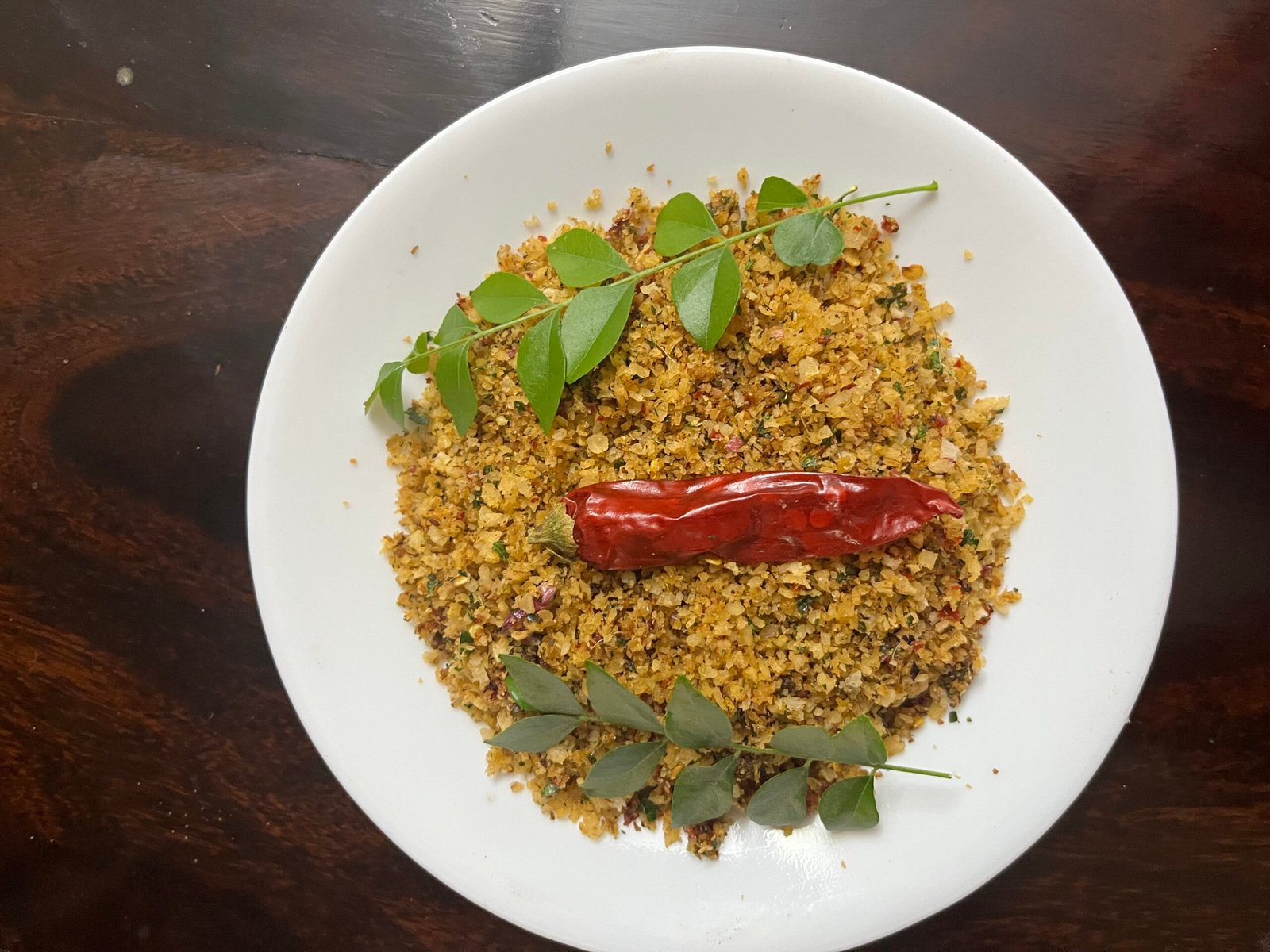
A dish prepared out of dried prawn, coconut and spices (Photo: Jeena Srinivasan)

Research Scientist, University of California, Irvine
Holly Hapke, Ph.D. is a geographer and interdisciplinary social scientist with research interests in political economy, rural development, gender, fisheries and food production systems, migration, ecological conflict, and South Asia. Specific research projects have examined the impact of technological transformation and globalization on artisanal fishing communities, fish markets, and fisherfolk livelihoods in India; technological transformation in the flue-cured tobacco industry of eastern North Carolina; transnational Latinx migration in the US South; cultural impacts of Gulf migration in India; and the role of fish in food security for the urban poor in India and Ghana. Funding for her research has been secured from NSF, Fulbright, Fulbright-Hays, the GoldenLEAF Foundation, the Z. Smith Reynolds Foundation, and the Netherlands Organisation for Scientific Research.
Principal Scientist, Central Institute of Fisheries Technology, Ernakulam
Dr. Nikita Gopal is Principal Scientist at the Indian Council of Agricultural Research-Central Institute of Fisheries Technology (ICAR-CIFT), Kochi, Kerala, India. She holds a PhD in Agricultural Economics and has worked in ICAR-CIFT for 25 years. Her areas of work include seafood trade and markets; technology evaluation in fisheries; and socio-economic studies among fishing communities. She has carried out several national and international projects, including action-research projects
Professor, Centre for Economic & Social Studies
Prof. Jeena T Srinivasan is currently a Professor at the Centre for Economic and Social Studies (CESS), Hyderabad, specializing in environmental and development economics. She has over two decades of research experience and previously served as an Assistant and Associate Professor at the same institute, which she joined in December 2004. Her research explores the dynamic interplay between ecological systems, economic development, societal structures, and livelihoods, focusing on fisheries, coastal wetlands, agriculture, and water resources.
Assistant Professor, Amrita Viswa Vidyapeetham, Bangalore Campus
Dr. Priya Gupta has received her Ph. D. in Sociology (2013) from the Institute for Social and Economic Change, Bangalore, and University of Mysore. She has received ICSSR Fellowship for pursuing her Ph. D. research. She is qualified in University Grants Commission National Eligibility Test for Lectureship. She has attended several workshops and conferences including the prestigious International Sociological Association (ISA) XVll World Congress of Sociology (July 11-17, 2010) in Gothenburg, Sweden where she presented her paper entitled, ‘Disasters and vulnerability, survival and resilience of two village communities in coastal Orissa, India’. She has also presented research papers in many other national and international seminars and conferences.
Gopal, N., & Hapke, H. M. (2020). Report of the Scoping Study on Dried Fish Value Chain in Kerala, India (Working Paper No. 04; Dried Fish Matters). Dried Fish Matters.