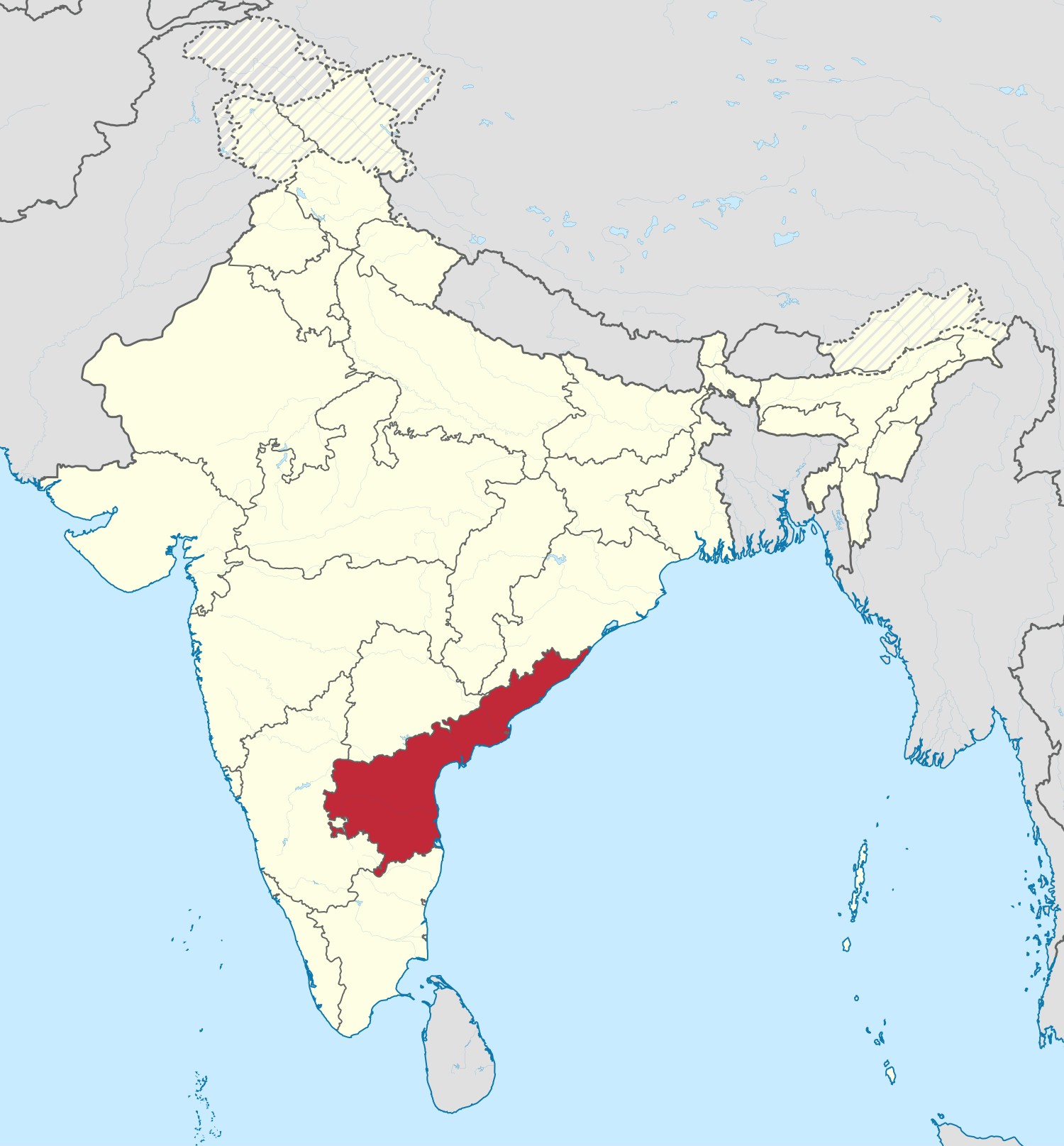
Andhra Pradesh, located on the southeastern coast of India along the Bay of Bengal, is the seventh-largest state in the country and one of the most fisheries-dependent regions in South Asia. With a coastline of about 974 kilometres, it accounts for nearly 8% of India’s total coastline and supports a vast network of coastal villages, estuaries, and inland water bodies. The state has six coastal districts: Srikakulam, Vizianagaram, Visakhapatnam, East Godavari, West Godavari, and Krishna—of which the northern coastal belt comprising the first four districts forms the core of small-scale and artisanal marine fisheries activity. These coastal areas are ecologically rich, shaped by river deltas, backwaters, mangrove ecosystems, and sandy beaches that sustain diverse fishing practices. Andhra Pradesh consistently ranks among the top fish-producing states in India, contributing significantly to national exports and domestic consumption.
Dried fish has long been central to Andhra Pradesh’s coastal economy, providing livelihoods for women and affordable nutrition for inland consumers. Before the spread of ice and cold storage, drying accounted for up to two-thirds of total landings, transforming fish from a subsistence catch into a traded commodity. Women have historically led this sector—drying, smoking, and selling fish across local and regional markets. Along the Godavari delta, traditional smoking methods using mangrove wood and coconut husk produce distinctive varieties like poga chepalu and archina chepalu. Dried fish from northern Andhra Pradesh circulates through major markets such as Kakinada, Peddapuram, and Amalapuram, reaching Odisha, Assam, Kerala, and even Bangladesh. Yet, the rise of mechanised fishing, improved transport, and the spread of fishmeal industries have eroded its economic importance, diverting low-value fish from human consumption to animal feed. Despite this decline, dried fish remains indispensable to poor households and continues to employ thousands of women who depend on it as both livelihood and heritage – a quiet but enduring backbone of Andhra Pradesh’s coastal economy.

Professor, Centre for Economic & Social Studies
Prof. Jeena T Srinivasan is currently a Professor at the Centre for Economic and Social Studies (CESS), Hyderabad, specializing in environmental and development economics. She has over two decades of research experience and previously served as an Assistant and Associate Professor at the same institute, which she joined in December 2004. Her research explores the dynamic interplay between ecological systems, economic development, societal structures, and livelihoods, focusing on fisheries, coastal wetlands, agriculture, and water resources.
Independent Researcher
President, District Youth Welfare Association
Professor (Retired), St Joseph’s College for Women
Professor, National Institute of Rural Development & Panchayati Raj
The District Fishermen’s Youth Welfare Association (DFYWA) is a registered non-governmental organisation (NGO) working with small-scale fishing communities of the east coast of India since 1992. One of DFYWA’s core priorities has been to develop sustainable dry fish initiatives to assist small fish vending women both independently or through collectives. In collaboration with several international and national bodies of research, academic and development support, DFYWA has undertaken numerous initiatives with positive results, though such endeavours were frequently followed by the realisation that much more would need to be done to obtain more sustainable outcomes for the fishers.
The Centre for Economic and Social Studies (CESS) was established as an autonomous research Centre in 1980. Appreciating its role in the promotion of research and training, the Indian Council of Social Science Research (ICSSR) (Ministry of Human Resource Development, Government of India) recognized it as a national institute in the year 1986 and included the Centre in its network of institutions. Conducting interdisciplinary research in analytical and applied areas of social sciences, encompassing socio-economic and other aspects of development, constitute the predominant activities of the Centre. Its sphere of research activity has now expanded beyond the state of Andhra Pradesh