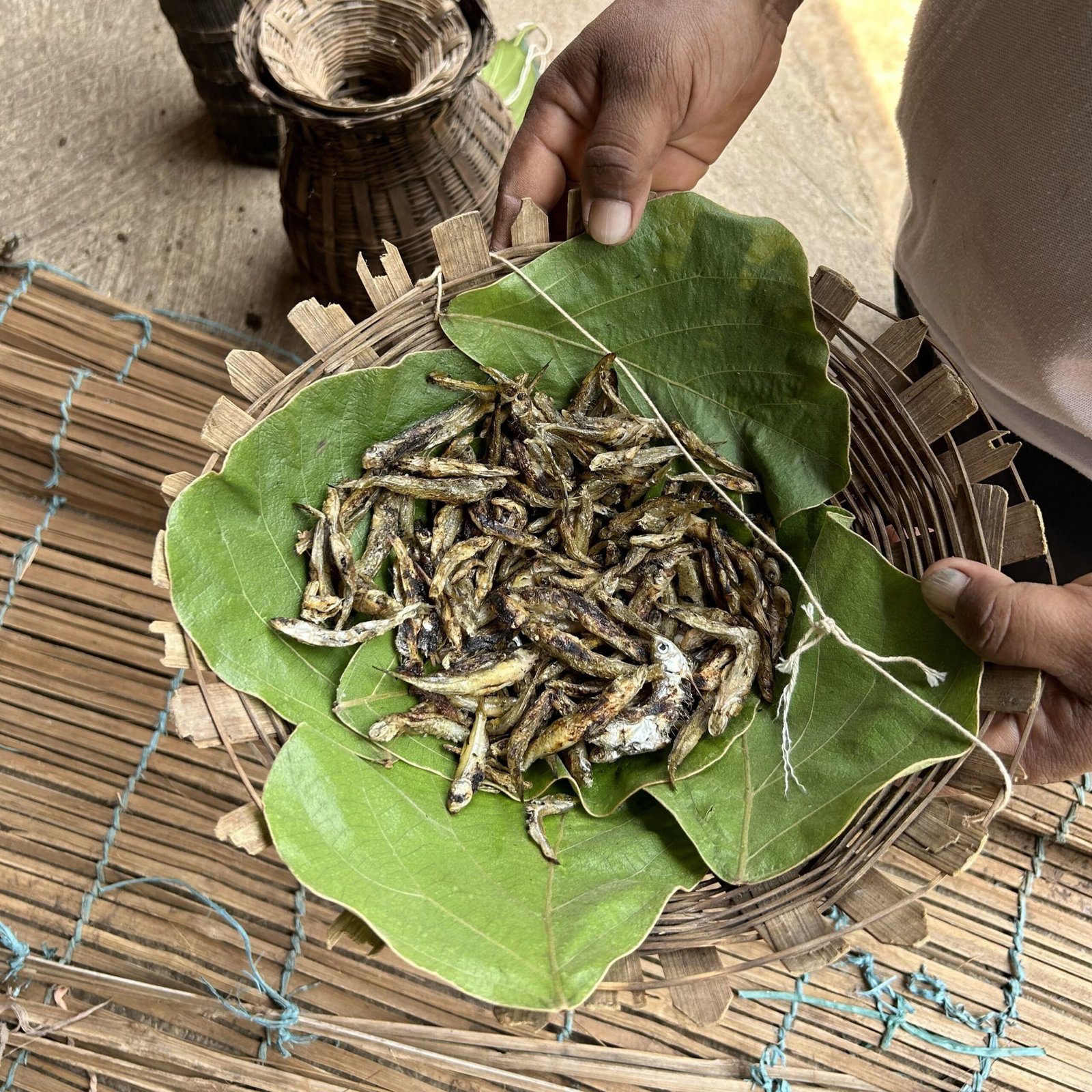
Working Group 2 draws inspiration from food systems approaches and the work of the High-Level Panel of Experts on Food Security and Nutrition (HLPE), to investigate dried fish from consumption and nutrition perspectives. The working group’s mandate includes research in the natural sciences, including laboratory research on the nutritional and contaminant properties of dried fish and possible food science innovations using dried fish.
This includes analysing micronutrient profiles, protein quality, fatty acid composition, and the effects of different processing and storage methods on nutrient retention. Parallel research examines potential food safety risks, including microbial contamination, heavy metals, and other environmental pollutants, in order to generate evidence that can inform safe handling, processing, and consumption practices.
Beyond laboratory research, the group also explores opportunities for product development and food science innovation. This includes investigating new value-added products using dried fish, improving packaging and shelf-life, and identifying technologies that can enhance quality while preserving the affordability and accessibility of dried fish for low-income consumers. The aim is not only to document the nutritional value of dried fish, but also to expand its potential role in addressing malnutrition and improving dietary diversity in different contexts.
Working Group 2 also encompasses qualitative and survey-based social science research on local and regional patterns of dried fish consumption, preferences, and recipes. This work seeks to understand who consumes dried fish, how it is prepared and shared within households, how consumption varies by gender, age, and income, and how changing food environments influence dietary choices. The research pays particular attention to the cultural and culinary significance of dried fish, documenting recipes, cooking techniques, and the role of dried fish in everyday meals, festive foods, and traditional diets.